Address
304 North Cardinal
St. Dorchester Center, MA 02124
Work Hours
Monday to Friday: 7AM - 7PM
Weekend: 10AM - 5PM
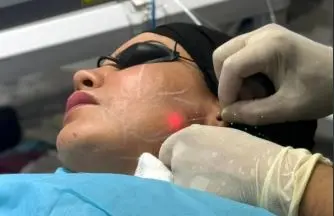
Laser lipolysis and Endolift Laser are both innovative procedures that use laser technology to achieve fat reduction and skin tightening. However, the techniques, mechanisms, and treatment areas differ. Below, we compare the two procedures to help you understand their distinct features.
| Feature | Laser Lipolysis | Endolift |
|---|---|---|
| Wavelength | 1064nm to 1320nm | 1470nm |
| Main Goal | Fat reduction | Fat reduction & skin tightening |
| Treatment Areas | Abdomen, thighs, arms, back | Face, neck, jawline, localized body fat |
| Invasiveness | Non-invasive or minimally invasive | Minimally invasive (laser fiber under skin) |
| Recovery | 1-2 weeks for invasive forms, minimal for non-invasive | Minimal downtime, quick recovery |
| Results | Gradual fat reduction | Immediate skin tightening and gradual fat reduction |
| Best For | Body contouring and localized fat removal | Facial rejuvenation and neck lifts |
Both Laser Lipolysis and Endolift provide excellent results in terms of fat reduction and skin tightening, but they are suited to different patient needs. Laser Lipolysis is more focused on body contouring and is ideal for larger areas with stubborn fat. In contrast, Endolift excels in facial rejuvenation, providing both skin tightening and fat reduction in delicate areas like the face, neck, and jawline.
For those seeking a comprehensive facial lifting solution, Endolift is the more suitable choice. For patients with larger body fat deposits who want contouring, Laser Lipolysis may be the better option.
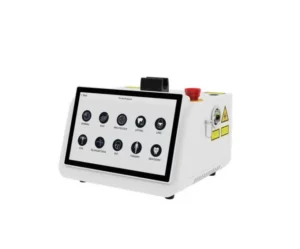
If you are an aesthetic clinic looking to introduce a minimally invasive lifting solution with strong patient demand and high ROI, 1470nm Endolift technology offers a competitive advantage in facial rejuvenation markets.
You can explore our professional 1470nm Endolift system here: